Wildlife in Tanzania's northern zone
Arusha, Tanzania  ·  Est. 2023

Protecting Tanzania's Wildlife &
Their Ancient Paths

Elephants have walked the same corridors for centuries, carrying the knowledge of safe passage from generation to generation. STWWC works with communities and governments to ensure these irreplaceable pathways survive.

12+
Wildlife Corridors Assessed
5,000+
Community Members Reached
15,000+
Trees Planted
6
Conservation Programs
Our Work

Six Pillars of Conservation

Through integrated programs, we address every dimension of wildlife corridor protection — from data collection to community empowerment.

Corridor Identification & Assessment

We continuously map and assess wildlife corridors, recording current status and identifying threats to biodiversity in real time across Tanzania's northern zone.

Community Awareness & Education

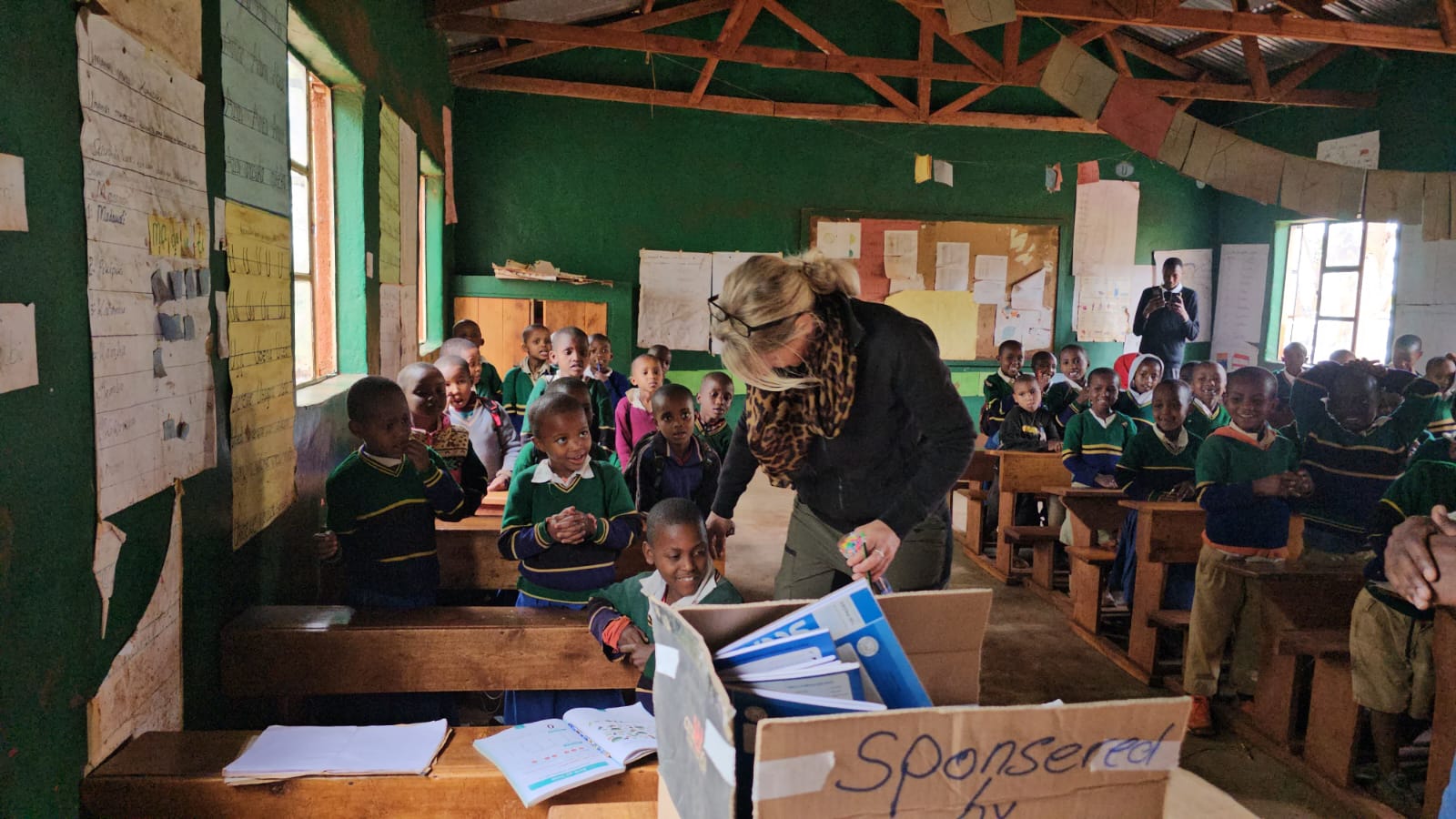
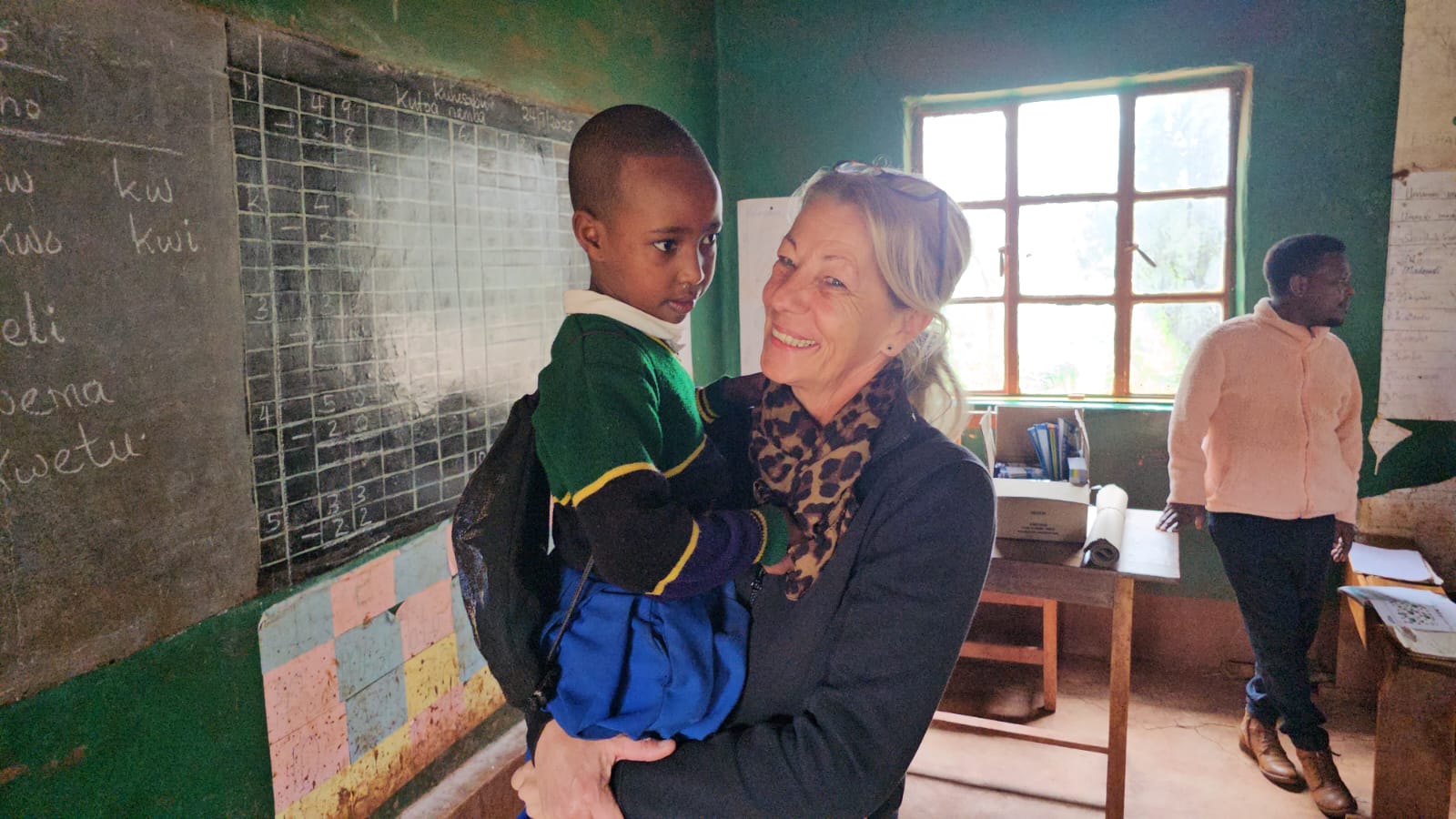
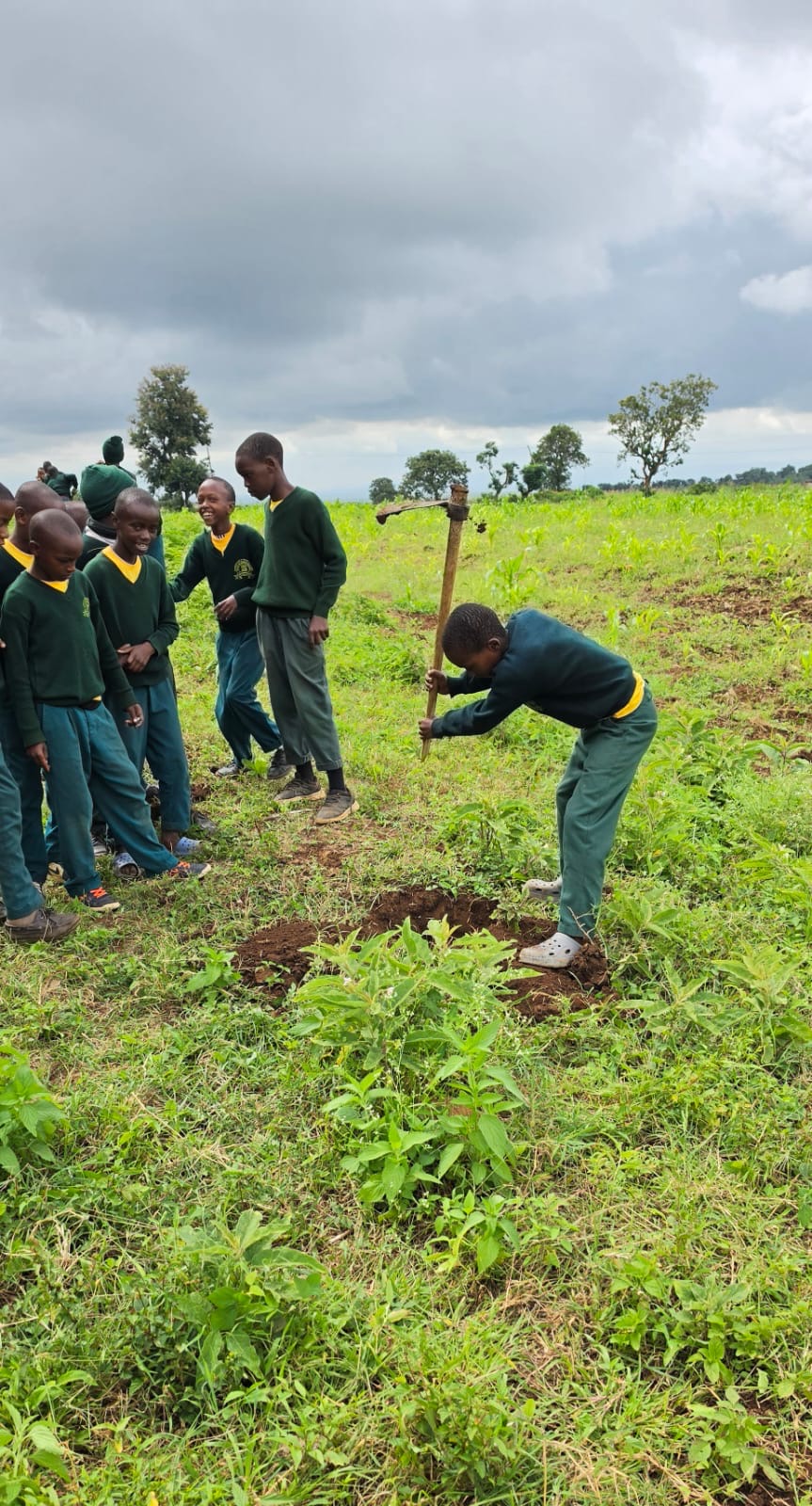
We educate communities living near corridors about conservation — transforming local populations into active guardians of the wildlife they share their land with.

Training & Local Employment

We create jobs and vocational training for local people, ensuring conservation work brings economic benefit to the communities closest to these vital ecosystems.

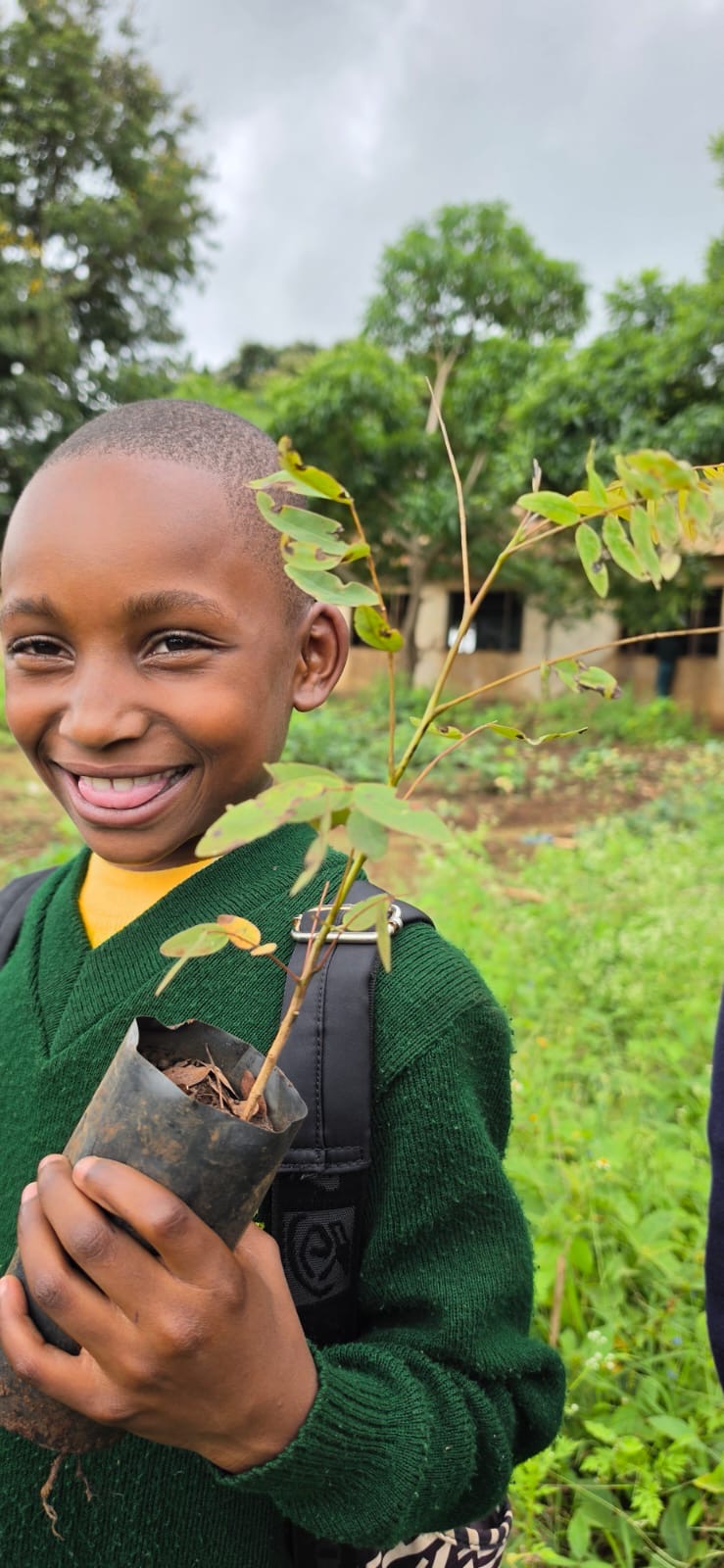
Afforestation & Reforestation

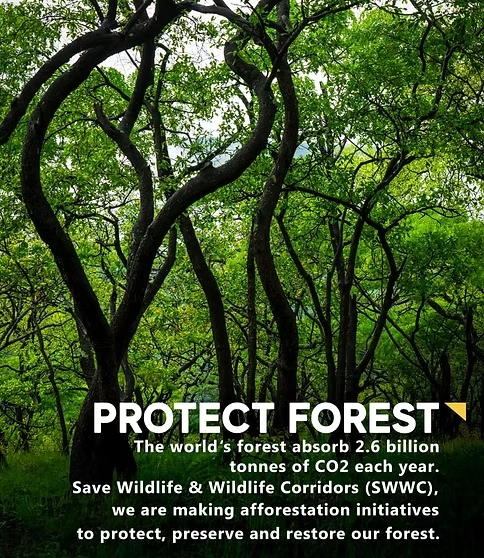
We build tree nurseries to supply seedlings for restoring degraded corridors, rebuilding the native forest cover that wildlife and local water supplies depend on.

Biodiversity Conservation

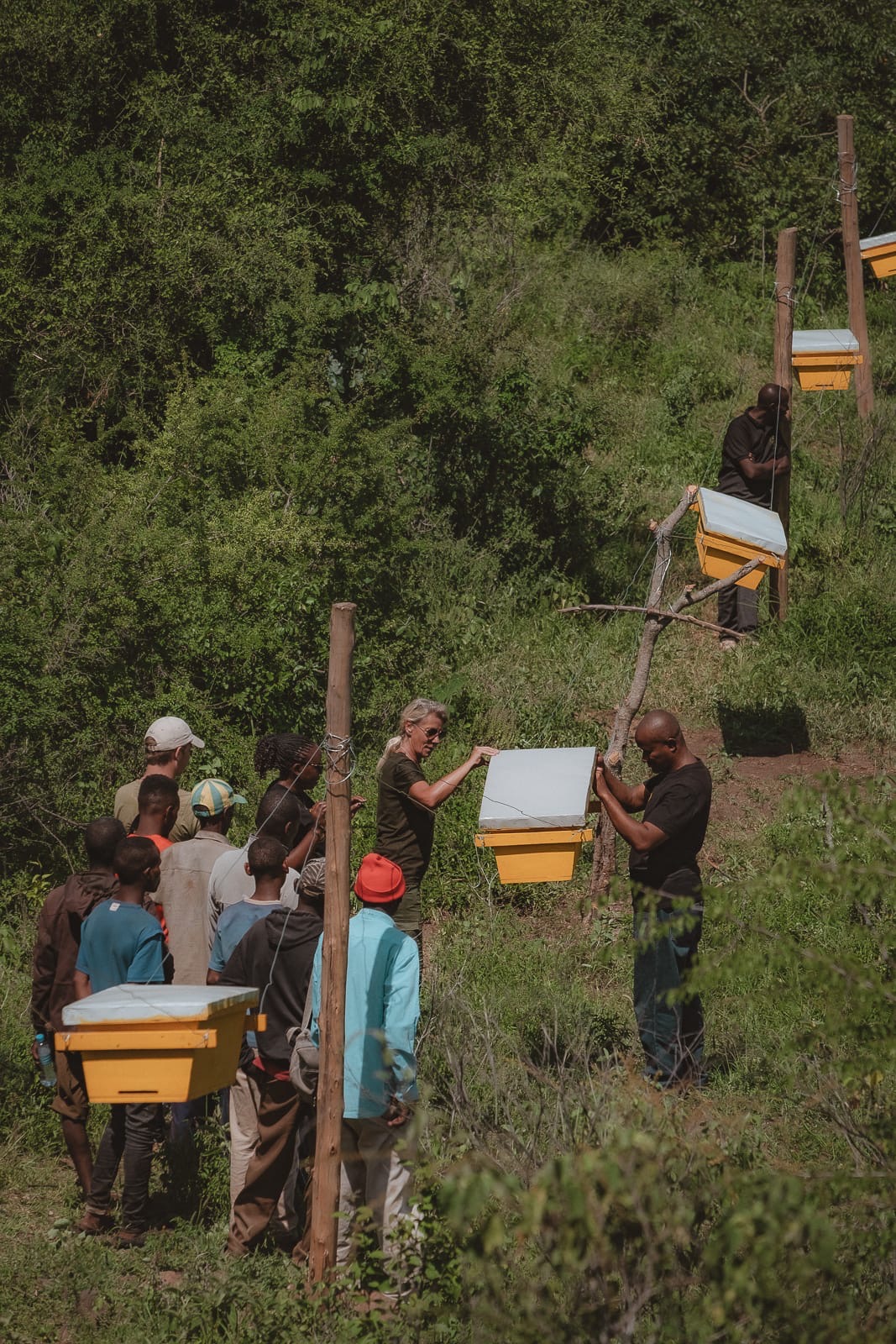
We deploy technologies that defuse human-wildlife conflict, from early-warning systems to sustainable land-use alternatives, protecting both people and animals.

Partnerships & Collaboration

We unite conservation organisations, local authorities, and government agencies — obtaining permits and pooling resources for maximum reach and lasting impact.

Protecting wildlife forest corridors in Tanzania
The Science

What Are Wildlife Corridors?

Wild animals have their own paths — and have done so for centuries. Elephants walk in the front line, sharing knowledge of safe routes from generation to generation, ensuring the survival of their species and the many animals that follow.

Everything is interconnected. Elephants are followed by zebras, gnus, and antelopes. They in turn are followed by lions, cheetahs, and hyenas. In national parks, these pathways are protected — but wild animals know no borders. Their corridors walk further.

Today, poaching, charcoal burning, land encroachment, and poor land-use planning are blocking these corridors and endangering wildlife outside protected areas, causing irreversible loss of biodiversity. STWWC exists to change that.

Support Our Mission
In The Field

Conservation in Action

A glimpse into our fieldwork and community programs across Tanzania's northern corridor zone.

View Full Gallery
Our Values

What STWWC Stands For

Preserving Wildlife
Protecting Corridors
Community Livelihoods
Reforestation
Conservation Education
Defusing Conflict
Volunteering
Anti-Poaching

Help Save Tanzania's Wildlife Corridors

Your support directly funds corridor protection, community education, tree planting, and anti-poaching efforts.