Elephants have walked the same corridors for centuries, carrying the knowledge of safe passage from generation to generation. STWWC works with communities and governments to ensure these irreplaceable pathways survive.
Through integrated programs, we address every dimension of wildlife corridor protection — from data collection to community empowerment.
We continuously map and assess wildlife corridors, recording current status and identifying threats to biodiversity in real time across Tanzania's northern zone.
We educate communities living near corridors about conservation — transforming local populations into active guardians of the wildlife they share their land with.
We create jobs and vocational training for local people, ensuring conservation work brings economic benefit to the communities closest to these vital ecosystems.
We build tree nurseries to supply seedlings for restoring degraded corridors, rebuilding the native forest cover that wildlife and local water supplies depend on.
We deploy technologies that defuse human-wildlife conflict, from early-warning systems to sustainable land-use alternatives, protecting both people and animals.
We unite conservation organisations, local authorities, and government agencies — obtaining permits and pooling resources for maximum reach and lasting impact.
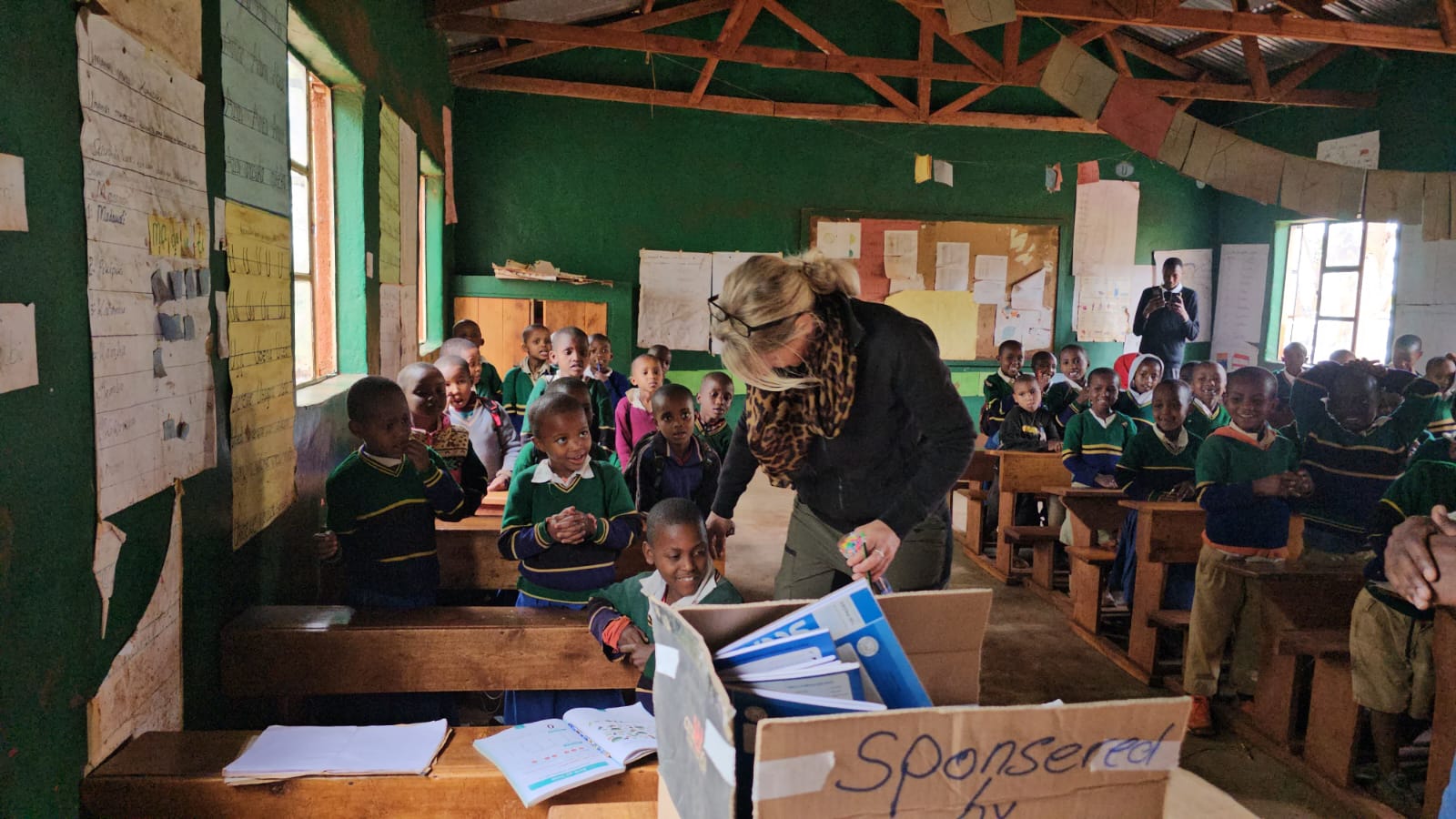
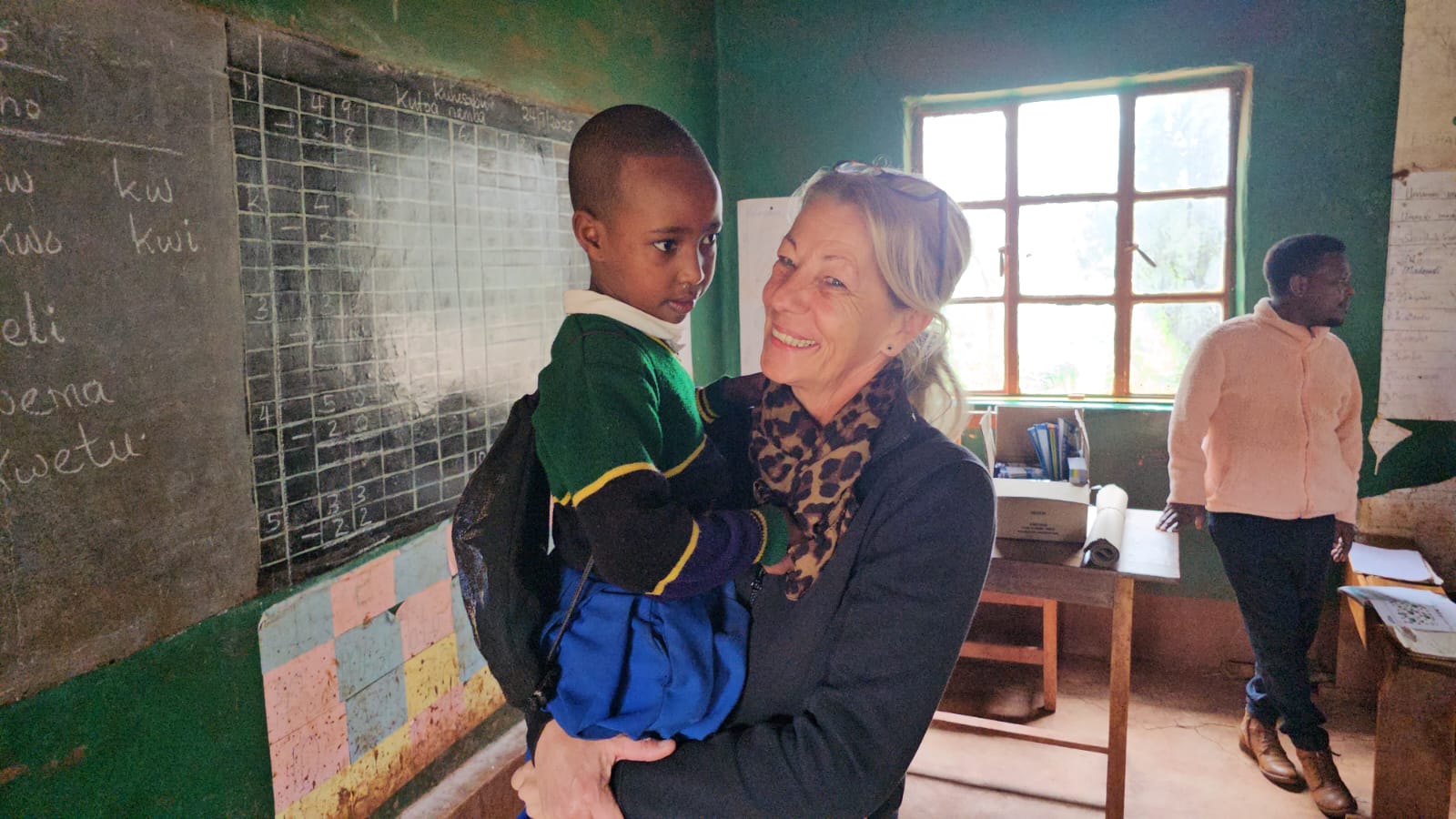
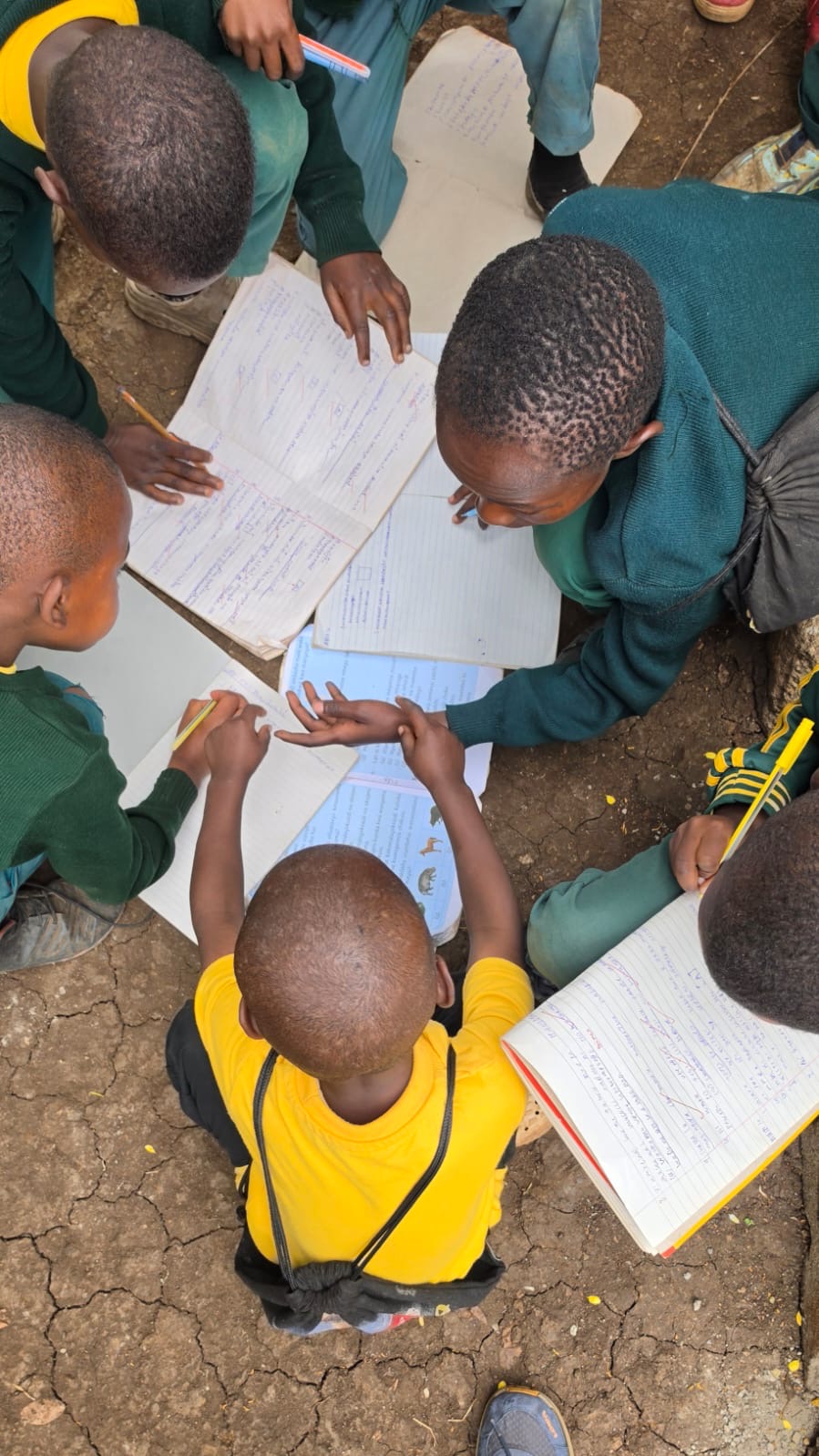
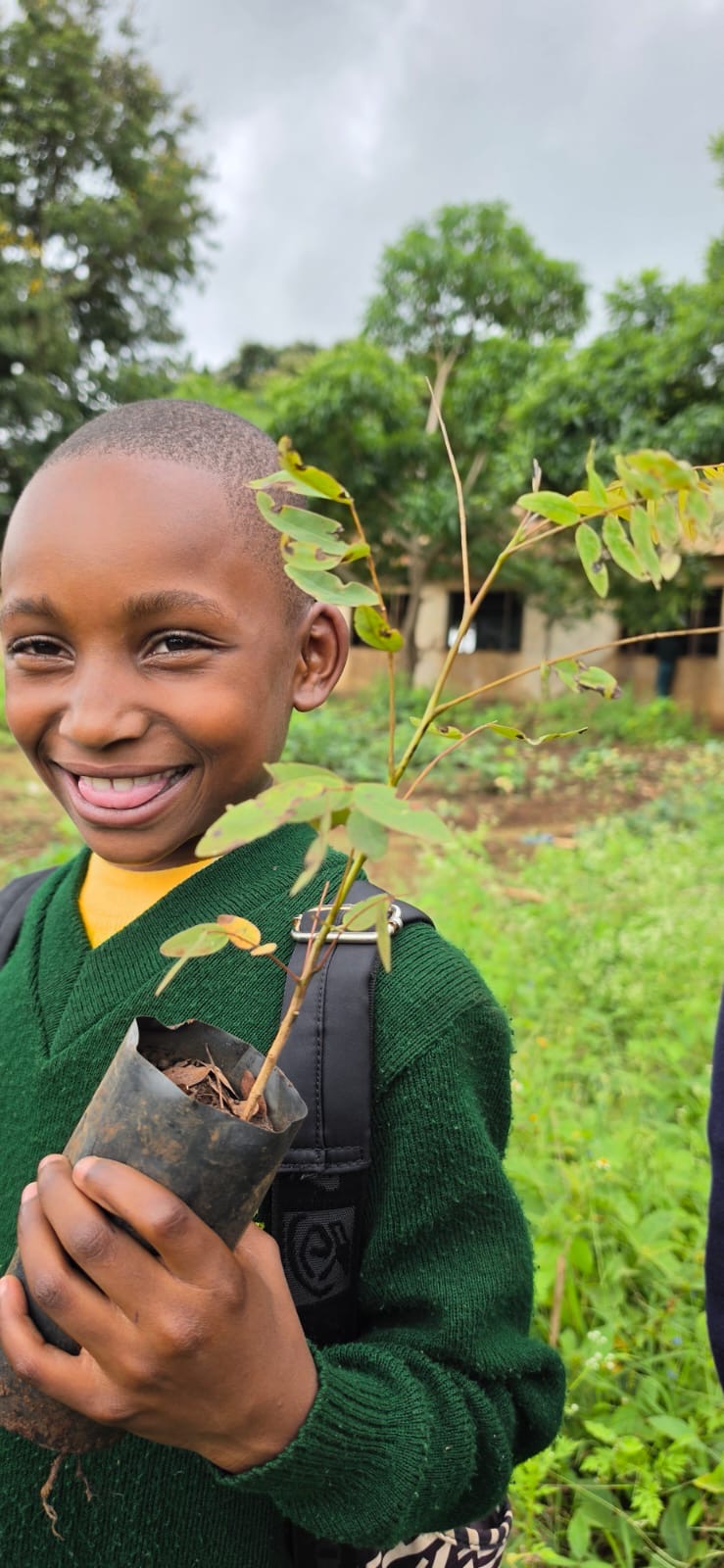
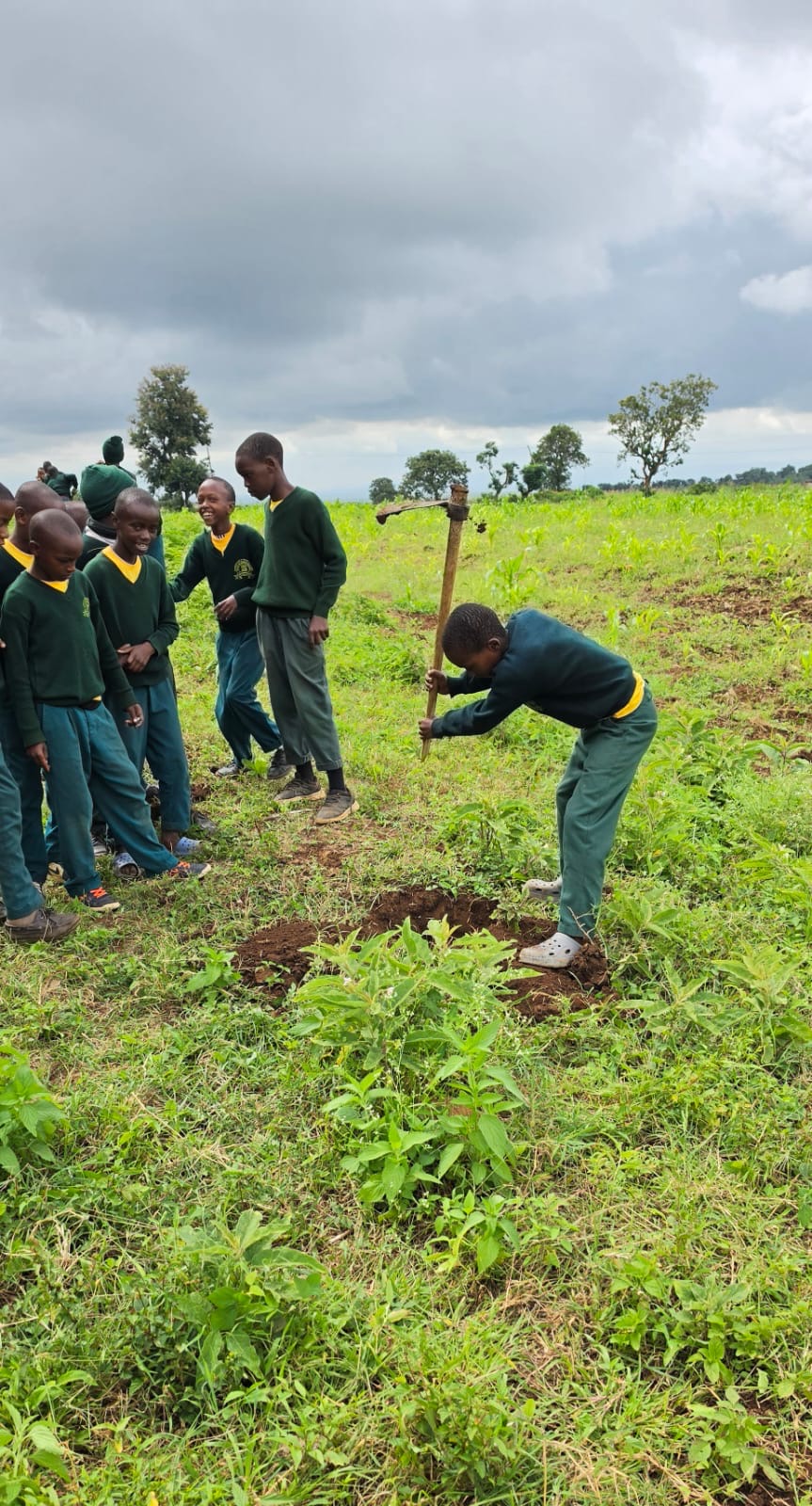
Working directly with schools in Kiserian, Karatu District and surrounding communities, STWWC brings conservation education into the classroom — planting seeds of wildlife stewardship in the next generation of Tanzanians.
Students learn about the importance of wildlife corridors, the role of bees and trees in the ecosystem, and how their communities can live in harmony with the animals around them. They don't just hear about conservation — they take part in it.
Every school visit includes hands-on activities: planting tree seedlings, studying local wildlife species, and understanding why protecting corridors matters for their own futures.
Wild animals have their own paths — and have done so for centuries. Elephants walk in the front line, sharing knowledge of safe routes from generation to generation, ensuring the survival of their species and the many animals that follow.
Everything is interconnected. Elephants are followed by zebras, gnus, and antelopes. They in turn are followed by lions, cheetahs, and hyenas. In national parks, these pathways are protected — but wild animals know no borders. Their corridors walk further.
Today, poaching, charcoal burning, land encroachment, and poor land-use planning are blocking these corridors and endangering wildlife outside protected areas, causing irreversible loss of biodiversity. STWWC exists to change that.
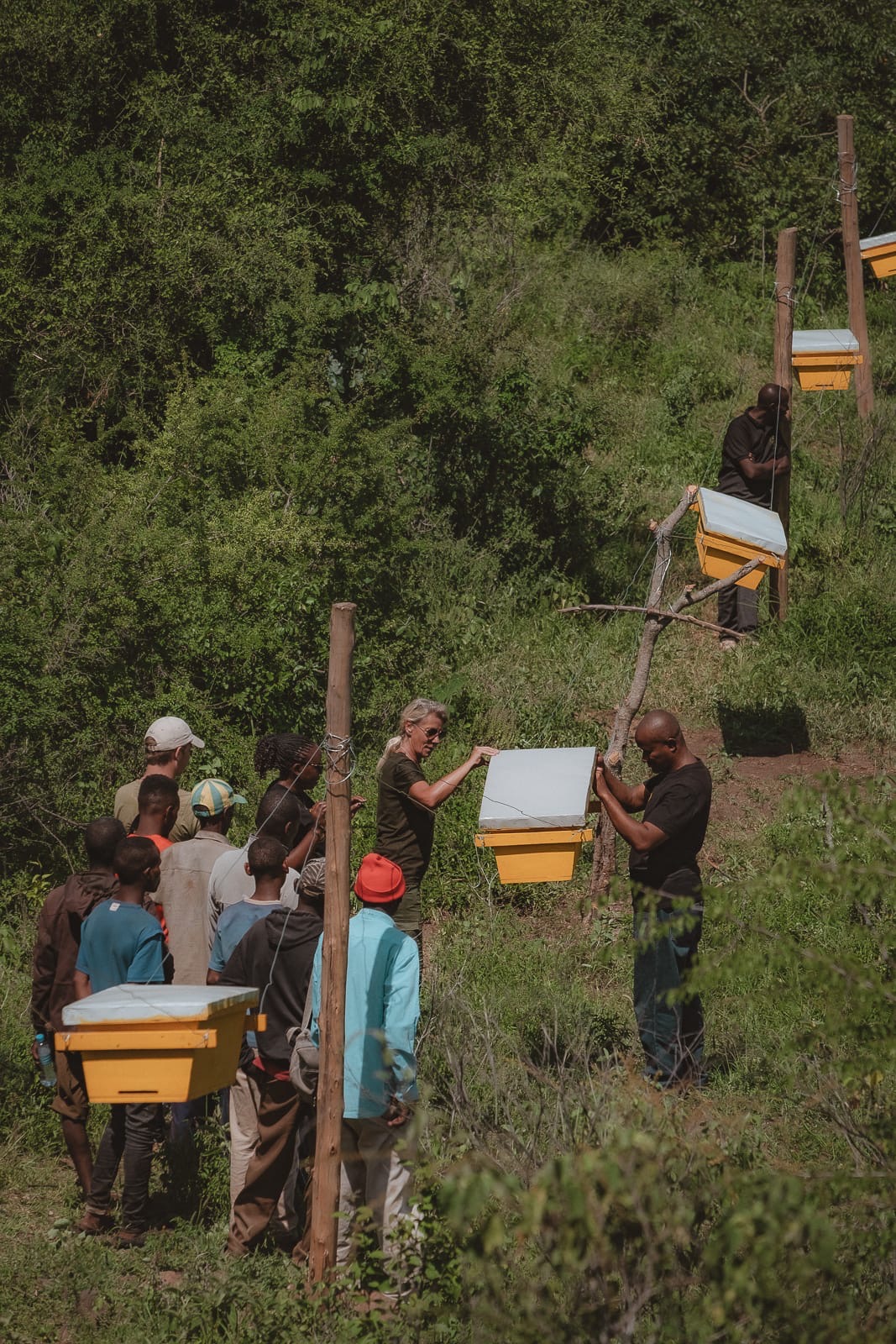
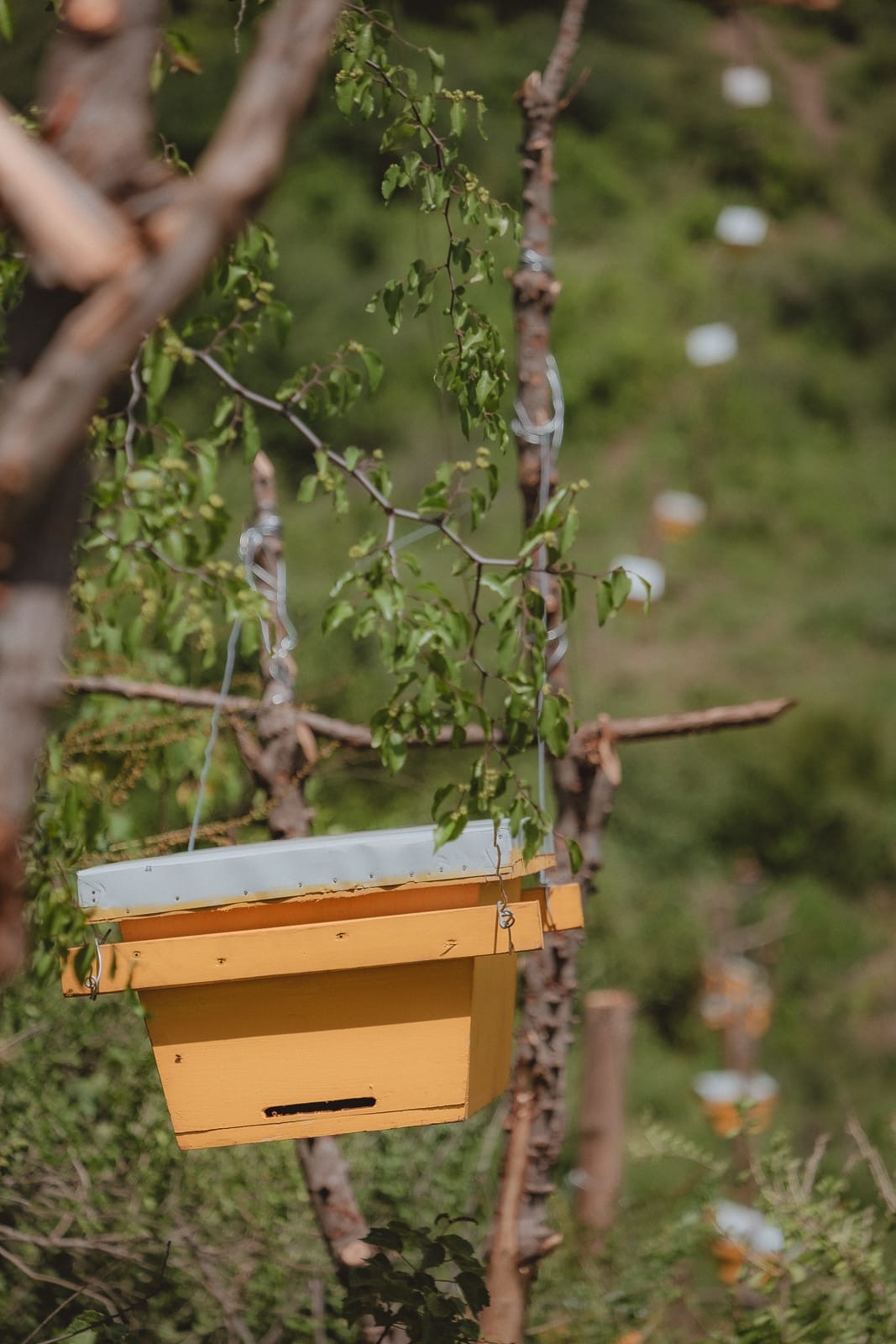
Support Our MissionElephants have a natural, instinctive fear of bees. By hanging active hives along corridor boundaries, we create a living fence that gently redirects elephants away from farmland — no barriers, no conflict, no harm to any animal.
Made possible through the generous support of TANAPA (Tanzania National Parks Authority) and Tanzania Unique Adventures (TUA), with Hive-2-Bottle as our dedicated technical partner — these hives serve a double purpose: reducing human-wildlife conflict while producing wild natural honey that generates real income for local families.
Each hive represents a community member trained in beekeeping, a family with a new livelihood, and an elephant walking safely along its ancient corridor instead of raiding a farm.
Fund More HivesA glimpse into our fieldwork and community programs across Tanzania's northern corridor zone.
STWWC's work is made possible by organisations that share our belief that ethical business and wildlife conservation go hand in hand.
TANAPA, Tanzania's foremost national parks authority, is a key sponsor of STWWC's bee hive corridor program — reflecting a government-level commitment to protecting wildlife and the corridors that connect Tanzania's protected areas.
Tanzania Unique Adventures (TUA) sponsors both our school conservation education programs and bee hive installations. TUA demonstrates that responsible tourism and wildlife protection are inseparable — embedding conservation into every safari experience.
Hive-2-Bottle serves as our dedicated technical partner for the bee hive corridor program — providing expertise, equipment, and on-the-ground support that transforms communities into active beekeepers and corridor guardians.
Prof. Saeko Terada of Isaka Metropolitan University has provided vital financial support and ecological expertise — sponsoring pythrenia removal, bee hive re-hanging in Chemchem, and community training programs that strengthen our conservation outcomes in the field.